Hotel Room Blinds: The Dirty Secret Housekeeping Misses
Hotel blinds trap dust, dander and mold that daily cleaning skips. Use this 30-second window check and learn which shades signal a truly clean room.
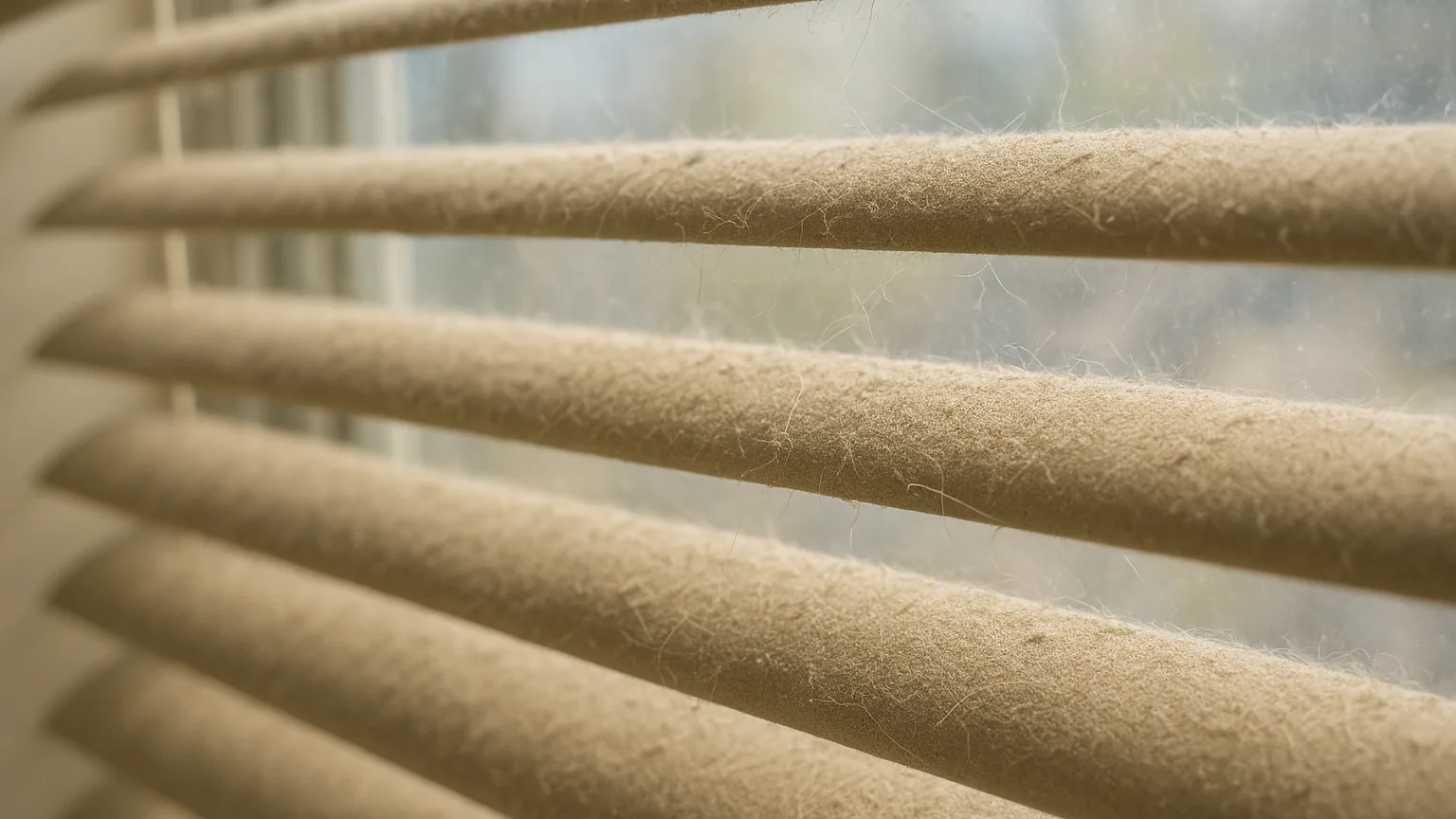
You check the sheets. You check the bathroom. You might even pull back the bedspread and look at the mattress seams. But very few travelers look at the window, and that is where some of the dust in a hotel room sits for months. Hotel room blinds are touched by every breeze, every blast from the air unit, and every guest who peeks out at the view. They are rarely touched by a cleaning cloth. If you sneeze in hotel rooms and can't figure out why, the answer may be hanging right next to the bed.
Why Housekeeping Skips the Window
In many hotels, one housekeeper cleans 14 to 16 rooms in a single shift. That leaves about 25 to 30 minutes per room to strip and make the bed, clean the toilet, wipe the sink, restock towels, empty trash, and vacuum. The checklist is built around what guests notice and complain about.
Blinds are not on that list most days. They are slow to clean, slat by slat, and often sit behind heavy drapes. A guest almost never writes a review that says "the blinds were dusty." So the job gets pushed to "deep clean" days, which might happen once a quarter, once a year, or only when a room is pulled out of service. If you have ever wondered how dirty are hotels in the places you can't easily see, the window is a strong place to start looking.
What Actually Builds Up on Those Slats
Blinds work a bit like a filter that nobody ever changes. Air moves across them all day, and the flat slats catch whatever is floating by:
- Dust and skin flakes. This is the main food source for dust mites, a top trigger for allergy symptoms.
- Pet dander. In pet-friendly rooms, it lands on the slats long after the dog checks out.
- Mold spots. Blinds near a wall air unit or a humid window can grow small black or green specks, mostly on the bottom slats, which is why blinds for humid climates need moisture-resistant materials.
- Smoke film. In older rooms, a yellow or brown sticky layer can stay on vinyl slats for years.
- Pollen. Open windows and patio doors let it in, and the blinds hold onto it.
Every time you twist the wand or pull the cord, a small cloud of that buildup drops into the room. Then the air unit kicks on and spreads it around the bed you are about to sleep in.
The 30-Second Window Check at Check-In
You don't need gloves or a flashlight. Do this before you unpack, so you can ask for a new room if needed.
Step 1: The Finger Swipe
Run one finger along the top of a slat at eye level, then one near the bottom. A light film is normal. A thick, felt-like gray layer means they have not been wiped in a long time.
Step 2: Look at the Bottom Rail
The bottom rail and the last two slats get the most moisture and the least attention. Dark dots, water stains, or a musty smell are signs of mold, and they matter most if you have asthma.
Step 3: Check the Cords and Wand
Every guest touches them and almost no one cleans them. If the cord looks gray or stiff, the rest of the window, and likely other "hidden" jobs, has been ignored too.
Step 4: Do the Light Test
Close the blinds partway, the same half-open position real estate agents fuss over when angling blinds for photos, and let the sun hit them from behind. Backlighting makes dust and smudges pop. A clean set looks even. A neglected set shows streaks and clumps.
Which Window Treatments Signal Better Cleaning
The type of treatment a hotel picks says a lot about how much it cares about upkeep. Here is a simple scorecard for allergy-prone guests.
Strong Signs
Motorized roller shades. These smooth, flat fabric panels have no slats to trap dust, and they roll up into a case when not in use. Guests don't handle them, so there are fewer germs too. Hotels that spend on these often invest in cleaning plans to match.
Blinds sealed between glass panes. Some newer hotels put the blinds inside the window itself, where dust can't reach them. This is the gold standard for anyone with a dust allergy.
Middle Ground
Faux wood or aluminum blinds. These can be very clean or very dirty, depending on the staff. Use the finger swipe test here.
Cellular or honeycomb shades. They block light well but can trap dust inside the cells. Ask how often they are cleaned if you are sensitive.
Warning Signs
Old vertical blinds. Common in older motels and on patio doors, they clank, tangle, and collect dust on every edge of their long vanes.
Heavy fabric drapes with no liner. Thick drapes hold dust, odor, and smoke, and they are rarely laundered because they are big and hard to rehang.
“The easiest treatments to keep clean are the ones with the fewest places for dust to land,” says Megan Hollis, senior window treatment specialist at Blinds Chalet. “Flat roller fabrics, smooth faux wood, and anything with a wipeable finish will always beat deep folds and open weaves in a busy space.”
What to Do If the Blinds Are Filthy
Dusty blinds don't have to ruin your stay, and most front desks are happy to help when you ask politely.
- Ask for a different room. Mention allergies. Many hotels keep a few rooms with newer treatments or recent deep cleans.
- Request a wipe-down. Housekeeping can often clean the blinds within an hour if you ask early.
- Leave them alone. If you can't switch rooms, keep the blinds in one position. Twisting them shakes more dust into the air.
- Turn the air unit fan to "auto." A fan that runs all the time keeps pushing dust off the slats.
- Pack a backup plan. Allergy meds and a few dry dust cloths take up almost no space.
It also helps to plan ahead. Part of what to look for when booking should be the windows. Room photos often show the treatment clearly, and dated vertical blinds with dark drapes tell you how long it has been since the room was updated.
Why Some Hotels Are Changing Their Windows
More hotels are swapping slatted blinds for roller shades, solar screens, and woven natural fabrics. Part of it is looks. Part of it is labor: a shade that wipes clean in one pass saves staff time across hundreds of rooms.
Woven bamboo and natural fiber shades are showing up in boutique and resort hotels, especially in sunny places, where they filter light softly and feel less like an office. Quality matters, since cheap weaves fray and fade fast. Designers who study bamboo shades that survive sun point to tight weaves and good finishes as what keeps them looking fresh. For guests, a well-kept natural shade with no fraying edges is a sign the property replaces worn items instead of ignoring them.
Quick Answers for Hygiene-Conscious Travelers
Are hotel blinds bad for allergies?
They can be. Dusty slats hold dust mite food, pollen, and dander, which drop into the air near your bed each time the blinds move.
How often do hotels clean window blinds?
It varies widely. Many clean them only during periodic deep cleans, which can be months apart. Luxury hotels may dust them weekly.
What is the cleanest type of hotel window treatment?
Blinds sealed between glass panes, followed by smooth roller shades. Both give dust very little room to settle.
Can I ask housekeeping to clean the blinds?
Yes. Ask at check-in and mention allergies. Most hotels will clean them or move you to another room.
The View Is Only as Clean as the Window
Hotel room blinds stay off the daily cleaning list because they take time and guests rarely complain, yet they collect mites, dander, pollen, mold, and old smoke. A 30-second check with a finger swipe, a look at the bottom rail, a glance at the cords, and a quick light test tells you more about a room than a fresh pillow ever will.
Sealed glass blinds and smooth roller shades point to a hotel that thinks about upkeep, while tangled verticals and heavy drapes are a cue to look closer. If the window fails your test, ask for a new room or a quick wipe-down, and keep your allergy kit close. The next time you pull open the blinds to see the view, you will know exactly what is falling out of them.